
Women’s Crew Neck Tops
# | Name | Features | View |
|---|---|---|---|
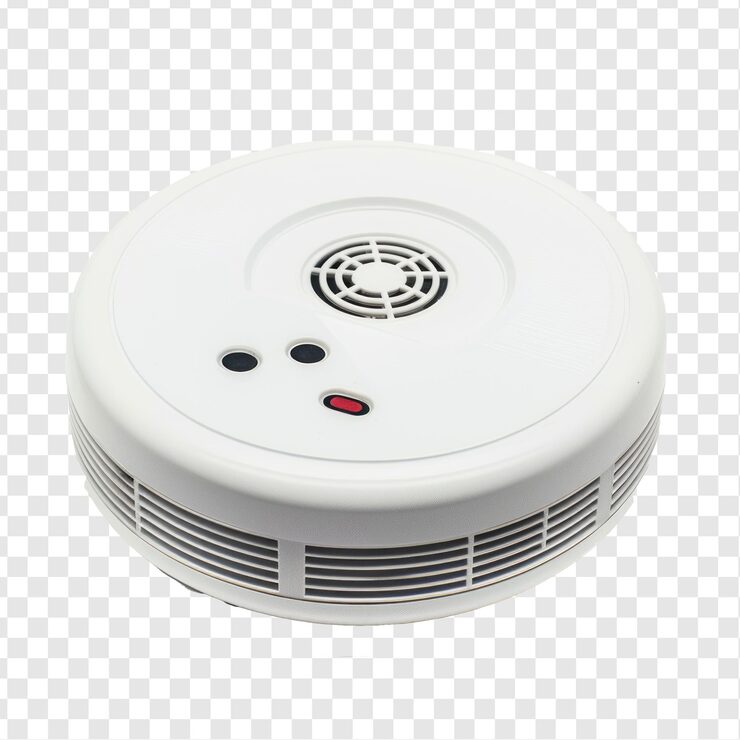
2 | Carbon Monoxide Detectors | Gas Leak Detector |
Carbon monoxide is a colorless, odorless, and tasteless gas produced by incomplete combustion of fuels (gas stoves, furnaces, heaters, wood, petrol engines, etc.). The Environmental Literacy Council+2Wikipedia+2
Because you can’t see, smell, or taste it, it’s often called the “silent killer.” Wikipedia+2Environmental Research Institute+2
When CO builds up, it binds to hemoglobin in the blood, reducing oxygen delivery to organs. Symptoms include headache, dizziness, nausea, confusion, loss of consciousness, and can be fatal. Fire and Safety Plus+3Environmental Research Institute+3The Environmental Literacy Council+3
A CO detector gives you a chance to evacuate or ventilate the area before levels become dangerous. Wikipedia+2Environmental Research Institute+2
Because of all this, CO detectors are considered as essential as smoke detectors in many areas. Wikipedia+2Environmental Research Institute+2
How They Work & Key Technologies
Here are the main sensor types and important internal features:
| Sensor / Feature | How It Works / What It Does | Pros / Limitations |
|---|---|---|
| Electrochemical sensors | A small cell with electrodes and electrolyte reacts to CO and produces a current proportional to CO concentration. | Very accurate, fast response, most common in good quality detectors. Wikipedia+3Standard Security+3Occupational Health and Safety Blog+3 |
| Metal Oxide Semiconductor | The electrical resistance of a metal oxide changes when CO is present | Simpler, cheaper, but can be less selective or get false alarms in some environments. Environmental Research Institute+2The Environmental Literacy Council+2 |
| Biomimetic / Gel pad | A gel or material mimics how blood reacts to CO; color change or chemical reaction triggers alarm | Usually less common in modern high-end units; sometimes in cheaper devices. Environmental Research Institute+1 |
| Alarm / electronics | Once CO crosses a threshold (ppm over time), the detector sounds an alarm (beeping, voice, lights). Many have “end-of-life” warnings when sensor degrades. | These features are important — look for test/reset button, end-of-life indicator, display or memory of peak CO levels. Environmental Research Institute+3Gifts Mag+3Electrical Discounted Supplies+3 |
Important Note: CO detectors are not permanent devices — their sensor materials degrade over time, so they have a limited lifespan (often 5‑10 years). Environmental Research Institute+3Wikipedia+3Fire and Safety Plus+3
What Features & Specifications to Look For
When choosing a CO detector, pay attention to:
- Certification / Standards
- Look for recognized safety standards (e.g. UL 2034 in U.S., EN 50291 in Europe) and marks like CE if in EU region. nsai.ie+2The Environmental Literacy Council+2
- An audible alarm is essential — avoid passive devices that only show a visual indicator. nsai.ie
- Power / Backup Options
- Battery-powered (with replaceable batteries)
- Plug-in / mains-powered with battery backup
- Sealed / tamper-proof 10-year battery models (you don’t need to change batteries)
- Digital Display / Readout
- Some detectors show the current CO concentration (in ppm) and memory of peak levels, which helps you assess the seriousness of a leak. Wikipedia+2Gifts Mag+2
- Alarm Loudness & Clarity
- The alarm should be loud enough (e.g. ~85 dB or more) and possibly with voice alerts (e.g. “Carbon Monoxide Detected”) rather than just beeping. Occupational Health and Safety Blog+2Wikipedia+2
- Interconnectivity / Smart Features
- For larger houses, detectors that interconnect (so all alarms sound when one detects CO) are beneficial. Electrical Discounted Supplies+1
- Some modern models support WiFi / app alerts / smart home integration. Occupational Health and Safety Blog+1
- End-of-Life Indicator / Sensor Health Alerts
- Because sensors degrade, the device should alert you when it’s time to replace it. nsai.ie+2Fire and Safety Plus+2
- Tamper‑resistance & Safety Features
- Lockable or non-removable battery compartments to prevent accidental removal. Electrical Discounted Supplies
- Self-test / self-diagnosis features to detect malfunctions. safemi.com+2Occupational Health and Safety Blog+2
Where to Install / How to Use Correctly
Proper placement is critical for effectiveness:
- One per floor / per sleeping area: It’s recommended to install at least one CO detector on each level of your home and especially near bedrooms. Fire and Safety Plus+3Wikipedia+3buildlikenew.com+3
- Avoid false alarm zones: Don’t mount too close to stoves, fireplaces, or bathrooms (steam) — these may trigger false alarms. buildlikenew.com
- Height / mounting position: CO mixes with air, so mounting at knee-to-head height on walls (~3–5 feet above floor) is often advised. Ceiling mounting might work in some designs but check manufacturer instructions. The Environmental Literacy Council+3Better Homes & Gardens+3buildlikenew.com+3
- Distance from appliances: Keep a safe distance (e.g. 15 ft / ~4.5 m) from fuel-burning appliances to reduce nuisance alarms. buildlikenew.com+1
Maintenance & Testing:
- Test monthly via the “Test” button. Environmental Research Institute+2The Environmental Literacy Council+2
- Replace batteries annually (if they are replaceable).
- Replace the detector itself at end of life (5–10 years depending on model). Wikipedia+3Fire and Safety Plus+3Environmental Research Institute+3
- Clean detector periodically (remove dust) so sensors are not blocked.
Examples / Models to Consider
Here are a few kinds of CO detectors you might look into (note: check whether they ship to your country / region):
- SafeMi SHCS-10 (Combo CO + Smoke Alarm) — a 2‑in‑1 unit combining CO and smoke detection, with built-in lithium battery (10-year battery life), test/reset, and end-of-life indication. safemi.com
- Many detectors on the market with 10-year sealed lithium battery + digital readout (common in premium models). (User discussions mention models like First Alert CO710 with built-in 10-year battery) Reddit
Because I couldn’t generate product listings directly via the tool just now, I can (if you like) fetch a list of carbon monoxide detectors available in Pakistan or your region (with specs & price) and send them over to you. Do you want me to do that?