
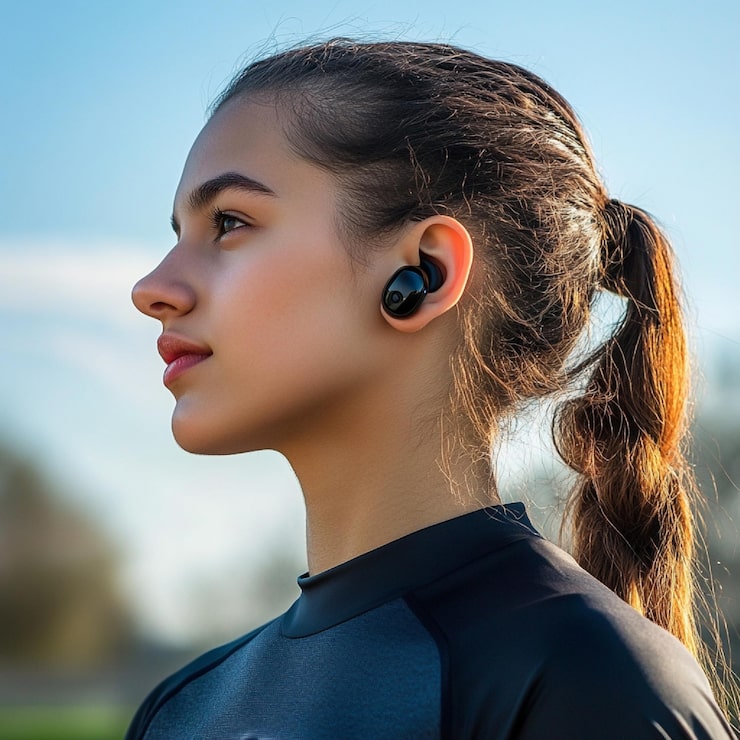
Women’s Crew Neck Tops
# | Name | Features | View |
|---|---|---|---|
2 | Wireless Earbuds Sport | Bluetooth 5.4 Headphones |
In today’s fitness-obsessed world, your playlist is as vital as your running shoes. Wireless sport earbuds have become a must-have accessory for gym-goers, runners, cyclists, and active lifestyles. But not all wireless earbuds are created equal. In this article, we’ll explore why sport earbuds matter, what features buyers care about, how brands can sell them effectively online, and trends shaping the future.
Why Choose Wireless Sport Earbuds?
1. Freedom of Movement
Without wires dragging or tangling, users enjoy full mobility during dynamic movements — ideal for running, HIIT training, or outdoor workouts.
2. Sweat & Water Resistance
Sports earbuds are engineered to withstand sweat and occasional weather. Ratings like IPX4, IPX5, or even IPX7 differentiate casual earbuds from true sports models.
3. Secure Fit
During high-motion activity, the last thing you want is an earpiece falling out. Designs feature hooks, wings, stabilizers, or ergonomic shapes to anchor the earbuds firmly.
4. Battery Life & Fast Charging
Workouts can last an hour or more — users expect at least ~6 hours of playback, plus extra charges via the case. Fast-charging (e.g. 10 min = 1 hour) is a major selling point.
5. Audio & Connectivity Quality
Low-latency Bluetooth, stable pairing, and clean audio even in motion are crucial. Some premium sport earbuds now support enhanced codecs or adaptive sound modes.
6. Smart Sensors & Extras
Advanced models integrate heart-rate sensors, motion detection, ambient sound modes, or even in-ear biometrics. Researchers are exploring using inertial sensors in earbuds for cardiac monitoring. arXiv
The E‑Commerce Opportunity
Rising Market Demand
The global sport earbuds market is growing fast, driven by wireless adoption and health-conscious consumers. WiseGuy Reports
In markets like Pakistan, wireless earbuds have moved from being a niche gadget to a daily essential. iocmkt.com+1
Product Differentiation & Positioning
- Premium vs budget: Emphasize features (sensors, build, brand) on high-end lines; highlight value and reliability on budget models.
- Lifestyle branding: Associate earbuds with fitness, running, gym, outdoor adventure.
- Bundles & accessories: Extra ear‑tips, protective cases, cleaning kits, or sport‑themed packaging can add perceived value.
Key Product Page Elements
- High-quality images & 360° views
- Feature callouts (IP rating, battery, fit)
- Demo videos of use during workouts
- Ratings & performance tests
- Comparison chart vs standard / non-sport models
- Clear warranty, shipping, returns info
Marketing Channels & Strategies
- Influencers & fitness athletes: Showcase real use cases
- Social media video ads: Emphasize movement, sweat, ruggedness
- User-generated content: Customers posting themselves working out
- Bundle or subscription models: Offer seasonal replacement tips/kits
- Localized SEO and ads: Target keywords like “sport earbuds,” “wireless running earbuds,” in your local markets.
Challenges & Considerations
- Durability: Sweat, dust, and rough handling are real threats
- False claims: Be honest about water resistance and sensor accuracy
- Pricing pressure & counterfeit: Competing with low-cost imports
- Battery degradation: Over time, capacity drops — customers expect longevity
- Returns from poor fit: Fit is subjective; offering multiple tip sizes or virtual fit guides can help reduce returns.
Trends & What’s Next
- Biometric integration: Using IMU sensors inside earbuds to extract health data (e.g. heart-rate) is being actively researched. arXiv
- Open-ear / bone-conduction hybrids: Let users remain aware of surroundings while listening
- Adaptive / ambient-aware audio: Automatically adjusting to environment noise
- More advanced waterproofing & rugged builds
- Localized production & micro‑brands: Lower shipping costs, faster cycles in target markets
If you like, I can convert this into a ready-to-post blog article, or craft a shorter landing page copy for your store. Which format would you prefer?