
Women’s Crew Neck Tops
# | Name | Features | View |
|---|---|---|---|
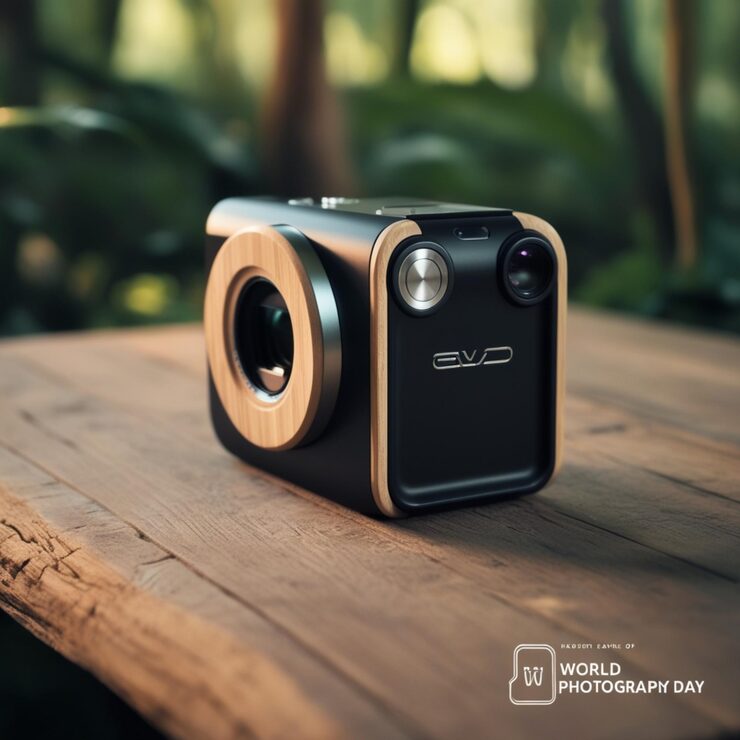
2 | Small Digital Camera, | 1080P Mini Portable Camera |
When choosing a compact camera, here are key features & specs to compare:
| Feature | Why It Matters | Typical Good Values / Ranges |
|---|---|---|
| Sensor size | A larger sensor generally gives better image quality, especially in low light, less noise, more dynamic range. | 1‑inch, 1/1.7‑inch, Micro 4/3 are better; 1/2.3‑inch is common in small point‑and‑shoots. |
| Lens / Zoom range & aperture | Determines how much you can zoom, and how good performance is in dim light. Faster aperture (smaller f‑number) helps. | A zoom equivalent like 24‑70mm or 28‑100mm is versatile. Aperture f/2.8‑f/4 is decent; f/1.8‑2.8 is better for low light. |
| Size / weight | One of the main advantages of “small” cameras — easier to carry, always with you. | Under ~300‑400 g is nice; very compact cameras fit in pockets. |
| Image stabilization | Helps reduce blur from hand shake, especially at slower shutter speeds or longer zooms. | Optical stabilization (OIS) is important; some have electronic or sensor shift. |
| Autofocus speed / features | Faster AF helps capture fleeting moments, especially moving subjects. Eye detection, face detection etc. are nice. | A few‑hundred ms AF, high contrast or phase detection. |
| Video capability | Many people want video plus stills. 4K is common now; higher frame rate helps for slow motion. | 4K/30fps as a baseline; 60fps or more for action/slomo. |
| Battery life | Compact cameras often have small batteries — number of usable shots per charge is key. | 200‑400 shots or more is good. |
| Durability / special features | Waterproof, rugged, weather sealed, pop‑up flash, flip‑screens etc., depending on your use. | Depends on your use case (travel, outdoors, family photos etc.). |
Trade‑Offs
- Compact size ⇒ smaller sensor & lens ⇒ more challenging in low light, less background blur.
- High zoom in a small body often means smaller aperture at long focal lengths → less light.
- Battery may be more limited vs larger “mirrorless / DSLR” style cameras.
- Fewer physical controls on tiny cameras can make manual adjustments harder.
Some Top Small / Compact Digital Cameras (2025)
Here are a few well‑regarded models to consider:
| Camera | Key Highlights / Pros | Possible Limitations |
|---|---|---|
| Sony RX100 VII | Excellent all‑rounder: 1‑inch sensor, fast autofocus, very good zoom range, good video. Often regarded as one of the best compact “premium” point‑and‑shoots. Product Review Crew+2toptecho.com+2 | Premium price; small controls; battery life is limited compared to larger cameras. |
| Panasonic LX100 II | Larger sensor (Micro Four Thirds in many versions), good lens quality, better image quality, especially in low light. toptecho.com+1 | Might be slightly larger; less zoom; higher cost; bulkier than ultra‑compact models. |
| Sony ZV‑1 | Geared toward video & vlogging with flip screen, good autofocus, decent lens. Great for content creators who want both stills & video in small form. toptecho.com | Lens zoom may be limited; audio and video quality good, but not always top‑end; battery use increases with video. |
| Olympus Tough TG‑6 | Rugged, waterproof, suitable for outdoors, travel, adventures. If you need durability, very useful. toptecho.com | Less zoom / lens flexibility; image quality may lag in very low light; size/bulk a bit more due to protective casing. |
If you like, I can send a list of compact cameras available in Pakistan (with local pricing and stock) so you can compare what is realistically accessible. Do you want that?