
Efficient, Powerful, and Convenient Yard Care Solution
Fast
Women’s Crew Neck Tops
# | Name | Features | View |
|---|---|---|---|
2 | Red Light Therapy for Face | 3 Modes Portable Led Face |
T
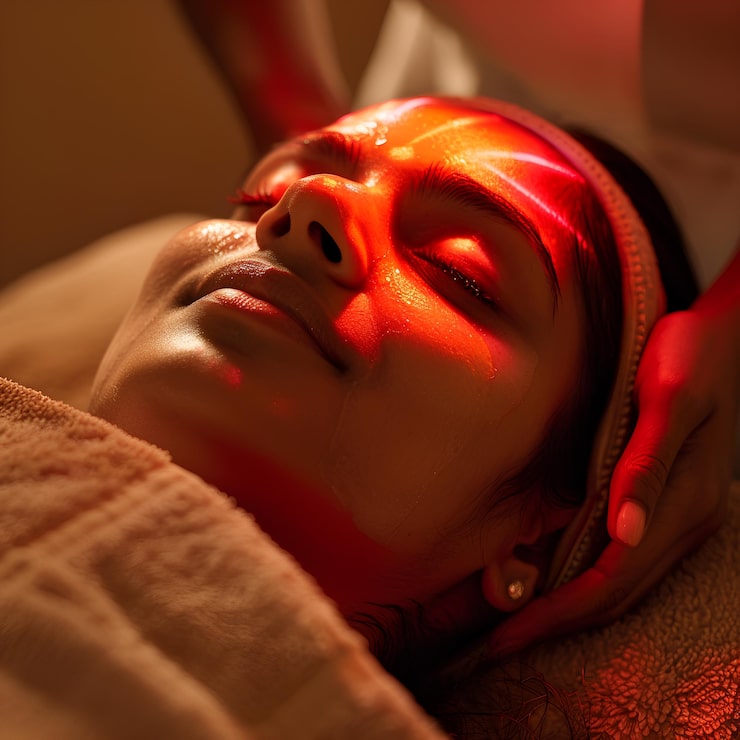
Red Light Therapy (RLT), also known as low-level light therapy (LLLT) or photobiomodulation, uses specific wavelengths of light (typically in the red and near‑infrared range) to stimulate cellular processes in the skin. LED devices or panels deliver the light without UV, so they don’t damage DNA like tanning or UV exposure. Cleveland Clinic+2American Academy of Dermatology+2
Benefits Proven (or Supported) by Research
Here are some of the effects RLT has been shown to have on facial skin, with supporting findings:
| Benefit | What It Helps With | Evidence / Notes |
|---|---|---|
| Reduces fine lines & wrinkles | Enhances collagen & elastin production, improves skin firmness. American Academy of Dermatology+2Healthline+2 | |
| Improves skin texture, tone & smoothness | Helps reduce roughness, dark spots, uneven color. Cleveland Clinic+2Woman & Home+2 | |
| Reduces redness & inflammation | Useful for sensitive skin, rosacea, or after exposure to irritants. American Academy of Dermatology+1 | |
| Speeds up healing & recovery | Helps improve wound healing, reduce swelling and irritation. American Academy of Dermatology+1 | |
| Boosts circulation & radiance | More blood flow to skin, improved nutrient/oxygen delivery. Can give a “glow.” Woman & Home+2Cleveland Clinic+2 |
Risks & Limitations
While generally considered safe, there are possible downsides or things to watch out for:
| Risk | What Can Happen | How Likely / When It Happens |
|---|---|---|
| Skin irritation / redness / burns | Especially if using a strong device, too close, too long, or if skin is sensitive. WebMD+2Healthline+2 | |
| Photosensitivity or reactions | Certain medications (e.g. some acne meds, antibiotics, retinoids) or skin conditions make skin more sensitive. Using RLT may worsen reactions. WebMD+1 | |
| Eye risks | Light (especially near‑infrared) can harm eyes if shining directly or if protective eyewear not used. WebMD+1 | |
| Unclear long‑term effects | Because devices, wavelengths, and usage differ, long‑term safety in some populations isn’t fully studied. American Academy of Dermatology+1 | |
| Effectiveness varies | Many “at‑home” devices are less powerful than professional‑grade versions. Results may be slower or subtler. Consistency is key. Cleveland Clinic+2American Academy of Dermatology+2 |
How to Use Red Light Therapy Safely & Effectively
To get good results and avoid problems, these are best practices:
- Choose a device with proper wavelength(s)
- Red light ~ 630‑660 nm is common for skin surface / anti‑aging.
- Near‑infrared (around 800‑850 nm) often used for deeper skin layers, inflammation. Make sure the device specifies these.
- Follow recommended distance & duration
- Many studies and guides suggest 5‑20 minutes per session Healthline+3atria.org+3Cleveland Clinic+3
- Start with shorter sessions (5‑10 minutes), see how your skin responds. atria.org+1
- Frequency & consistency
- Usually 3‑5 times per week is suggested for visible improvements. atria.org+1
- Skin changes over weeks; expect ~4‑6 weeks to see noticeable results. atria.org+1
- Protect your eyes
- Use goggles or eye protection if provided.
- Avoid shining light directly into eyes or very near them.
- Start with clean skin
- Remove makeup, oils, or sunscreen first; pat dry.
- After session, moisturize. Optionally use a mild serum (non‑photosensitizing) to support skin barrier.
- Check for contraindications
- If on medications that cause photosensitivity (e.g. isotretinoin, certain antibiotics), have a skin condition that’s light‑sensitive (e.g. lupus), or have recent surgery or open wounds. Consult a dermatologist. WebMD+1
- Don’t overdo it
- More is not always better. Overexposure can lead to irritation or decreased benefit. Healthline+1
What to Expect: Timeline & Realistic Results
- After first few sessions: maybe feel warmed skin, some brightness or reduced redness.
- After 2‑4 weeks: possible improved texture, smoother feel, slight reduction in fine lines or deeper wrinkles / sagging (depending on device strength).
- More long‑term (6‑12 weeks+): more noticeable firming, better skin elasticity, more even tone.
But keep realistic expectations: at‑home devices often don’t match strong clinical lasers or treatments in speed or intensity. Also genetics, lifestyle, skin care, diet, sun exposure all affect results.
What to Look for When Choosing a Device
If you’re considering buying an RLT device for face, here are factors to check:
- Wavelengths (look for 630‑660 nm red; 800‑850 nm near‑IR)
- Power intensity (often measured in mW/cm²) — higher power works faster but needs safer use.
- Quality build, safety certifications (FDA clearance, CE mark, etc.)
- Size/coverage: mask, wand, panel — depending on whether you want full face, spot treatment, etc.
- Comfort and design (eye protection, fit, user controls)
- Reviews / user feedback, especially long‑term ones
If you want, I can pull up red light therapy device options (masks, panels, wands) that have good specs and are reasonably priced for Pakistan; plus a comparison so you can pick what’s best. Do you want me to gather those for you?